
Forests
Learning from Nature: Nature-based Approaches to Restoration in the Maxwell Creek Watershed
CARL, CARL Field Notes, Ecological Research Network, Fire and drought, Forests, Freshwater, Land Use, News
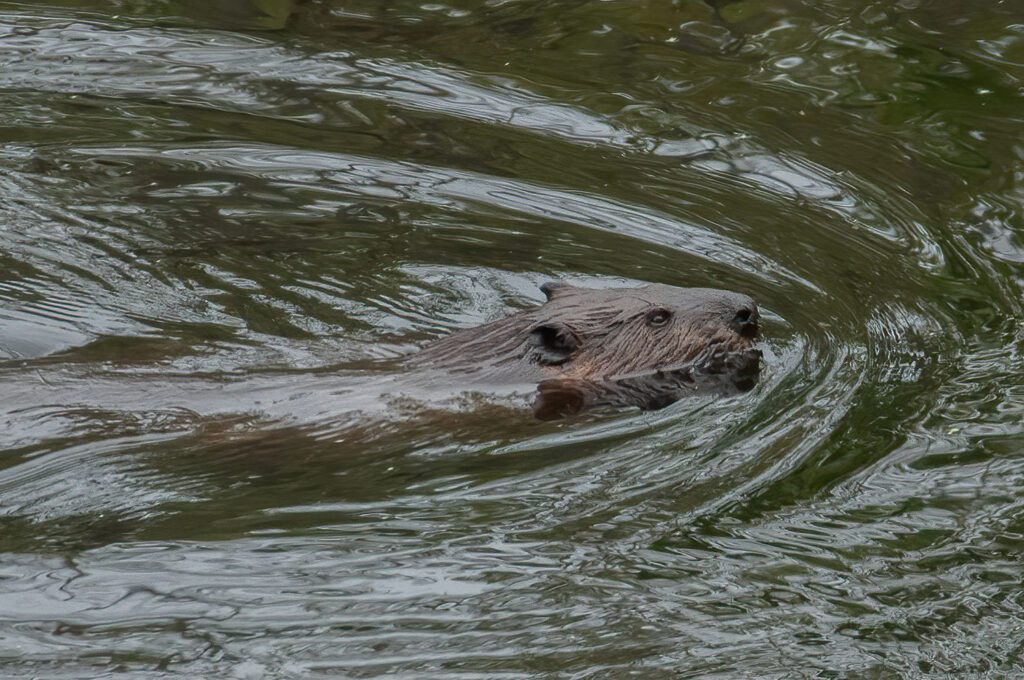
People have relied on what we call Maxwell Lake and the surrounding watershed for thousands of years, for water, food, and other resources provided by the forests. These forests support a range of wildlife, cougars, bears, songbirds, waterfowl, amphibians, fish and beavers. The tall crowns of coastal Douglas-fir trees reach for the sky with large,…
Read More Maxwell Creek Watershed Project
CARL, Ecological Research Network, Forests, Freshwater, Land Use, News
In 2021 Transition Salt Spring secured $100,000 in federal funding and other support to initiate this groundbreaking research around fire risk intervention and resilience in the Maxwell Creek Watershed. This watershed project was chosen because of its importance in providing water to 5,500 residents of Salt Spring Island, and the existing fire risk to farms,…
Read More 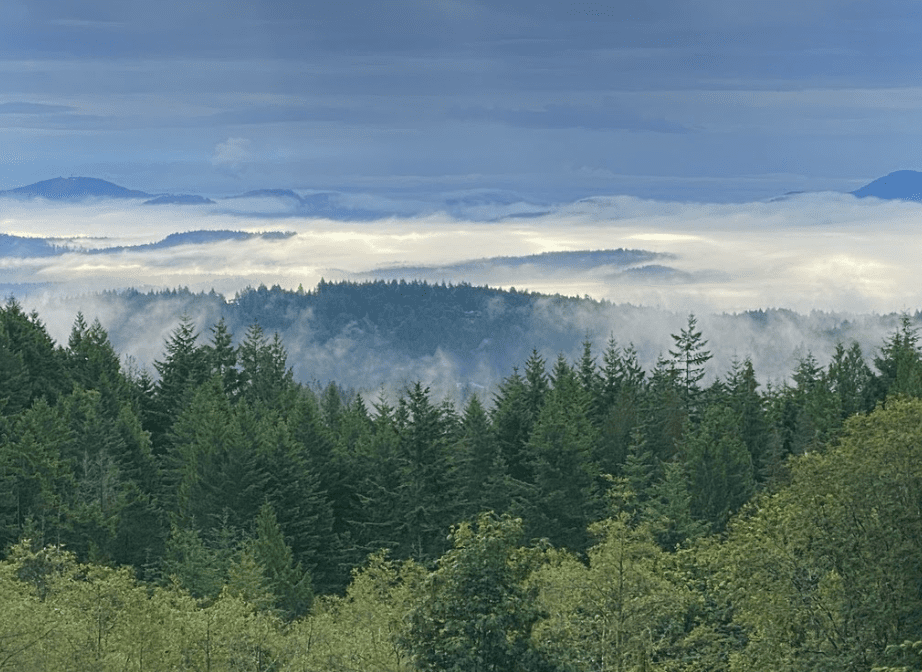
Maxwell Watershed Project Radio Interview
Ecological Research Network, Forests, Freshwater, News, Resources
Listen HERE to our Dr Ruth Waldick on CBC Radio’s All Points West discuss TSS’ new project at Maxwell Lake
Read More Freshwater Salt Spring
Forests, Freshwater, Resources, Videos, What can I do?
This beautifully shot short film by the Salt Spring Island Water Preservation Society raises awareness about the island’s most precious resource — freshwater. Highlighting the urgent need to protect and steward local watersheds, “Freshwater Salt Spring” is the first in a broader educational initiative for both youth and adults. Set in the unique ecological context…
Read More 
Forests, Water, Fire: How to Prevent Wildfires & Conserve Water
Ecological Research Network, Events, Fire and drought, Forests, Past Events, Resources, Videos, Webinar Video, What can I do?
How do we live responsibly in our forested island communities in the face of wildfire and drought? This powerful community conversation brings together local experts in forestry, fire prevention, and ecology to share practical tools for conserving water, protecting your land, and reducing wildfire risk. You’ll learn how to steward your property with intention, work…
Read More 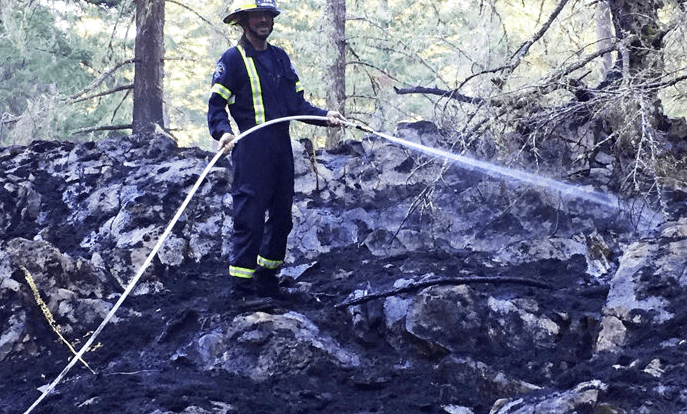
One Cool Island: Smoke Sends Clear Signals About Our Forests
Fire and drought, Forests, News, One Cool Island
By ANDREA PALFRAMAN published in the Driftwood July 20, 2021 In the midst of summer’s idyll, there is an ominous haze on the horizon. Clobbered by a record-smashing heatwave, and the tragic fire that destroyed Lytton, the spectre of forest fires looms large in the Gulf Islands. As we consult maps and scan the skies for…
Read More 
What’s Happening to our Forests and Trees?
Forests, Resources, Videos, Webinar Video
From historic heat waves to persistent drought, our local forests are under stress. What does the future hold for Salt Spring’s trees? In this engaging and accessible presentation, two of British Columbia’s most respected forest ecologists explain the science behind what’s happening in our forests — and what we can do to help them adapt.…
Read More 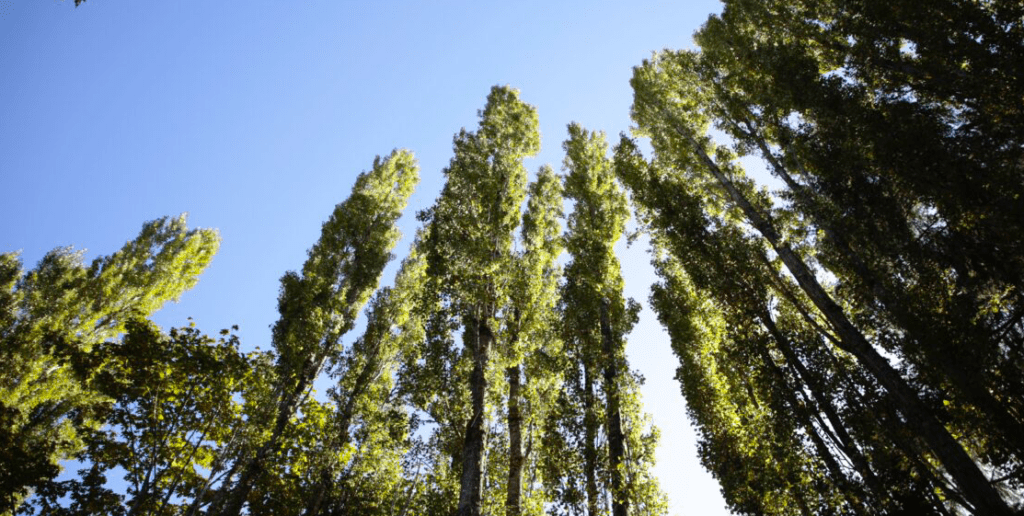
Regenerative Forest Management Should Be Goal
Fire and drought, Forests, News, One Cool Island
Published in the Driftwood, Jun 15, 2021 BY ANDREA PALFRAMAN The old-growth conifers of B.C. are the botanical equivalent of iconic animals like the Bengal tiger, or closer to home, the humpback whale. It’s no wonder the charismatic “megaflora” found in ancient temperate rainforests get mystical sounding names like Cathedral Grove on the way to…
Read More Collaborative Forestry Solutions to Climate Change
Fire and drought, Forests, Resources, Videos, What can I do?
Forests are more than trees — they are vital to climate resilience, community well-being, and the local economy. In this dynamic panel discussion, leading forestry practitioners from across the Salish Sea region share practical, place-based solutions to the climate crisis rooted in regenerative forestry. Presenters: Erik Piikkila, Mitchell Sherrin, Michael Nickels, Mark LombardHost: Ruth Waldick,…
Read More Coastal Douglas‑fir Forest Stewardship in the Salish Sea Region
CARL Climate Resources, CARL Healthy Forests, Ecological Research Network, Forests, Freshwater, Resources, Videos, What can I do?
In this insightful presentation, Transition Salt Spring explores best practices for caring for Coastal Douglas‑fir forests — one of our region’s most precious and vulnerable ecosystems. Learn how ecological stewardship can reduce fire risk, support biodiversity, and protect our watershed. What You’ll Learn: Related Resources:
Read More - « Previous
- 1
- 2
- 3
- 4
- Next »