
Resources

Future-Proof Your Home with Water Management
Climate Coach, Events, Fire and drought, Food and Agriculture, Forests, Freshwater, Land Use, Past Events, Rebates, Resources, Videos, Webinar Video
Save Money and Improve Resilience by Harnessing Your Water Resources This practical and engaging webinar explores how to use water wisely on your property to reduce costs, increase climate resilience, and build a more sustainable future, no matter your starting point. Learn how to make the most of rainwater, manage greywater, reduce overall water usage,…
Read More 
Why Healthy Forests Matter in Reducing Fire and Drought Risk
CARL Fire and Drought, Fire and drought, Forests, Freshwater, Past Events, Resources, Videos, Webinar Video
In this informative Q&A session, forest ecologist Erik Piikkila explains the critical role healthy forests play in protecting our communities from fire and drought. As climate extremes become more frequent, understanding the link between forest health, water security, and fire resilience is more important than ever—especially for landowners, stewards, and concerned citizens of the Southern…
Read More 
Technical Guide for Practitioners Working in a Coastal Douglas Fir Watershed
Resources, Uncategorized
Welcome to the Technical Guide for Practitioners Working in a Coastal Douglas Fir Watershed Download the Guide HERE This guide is designed to provide essential information and methodologies for professionals involved in watershed-level restoration initiatives. The project takes a comprehensive approach, aiming to improve our understanding of the current and historical ecological conditions within the watershed.…
Read More Welcoming Native Pollinators to Our Neighbourhood Gardens
Food and Agriculture, Native Plant Stewardship, Past Events, Resources, Videos, Webinar Video
In this engaging and informative webinar, native bee expert Bonnie Zand shares practical guidance on how Salt Spring gardeners—and anyone interested in supporting biodiversity—can welcome and protect native pollinators. As climate change and habitat loss threaten insect populations, Bonnie offers a hopeful perspective grounded in community action and simple gardening practices. This session was part…
Read More 
Fire Risk Reduction in the Coastal Douglas-fir Biogeoclimatic Zone
CARL, CARL Fire and Drought, CARL Reports and Case Studies, Events, Fire and drought, Forests, Freshwater, Land Use, Past Events, Resources, Videos
This comprehensive, full-day workshop brought together over 70 participants, including FireSmart Coordinators, forest managers, BC Wildfire Service, Fire Rescue, First Nations representatives, and local government to address fire risk in the Coastal Douglas-fir (CDF) Biogeoclimatic Zone. With 70% of the CDF zone under private ownership, participants explored how communities can adapt to increasing fire risk…
Read More All About Home Rebates
Climate Coach, Events, Green Loans/ Financing, Past Events, Rebates, Resources, Videos, Webinar Video
Looking to make your home more energy-efficient, comfortable, and climate-resilient—without breaking the bank? This practical, info-packed webinar walks you through how to access thousands of dollars in local, provincial, and federal rebates for home upgrades. From heat pumps to rainwater systems, this session is your one-stop shop for navigating the rebate landscape on Salt Spring…
Read More 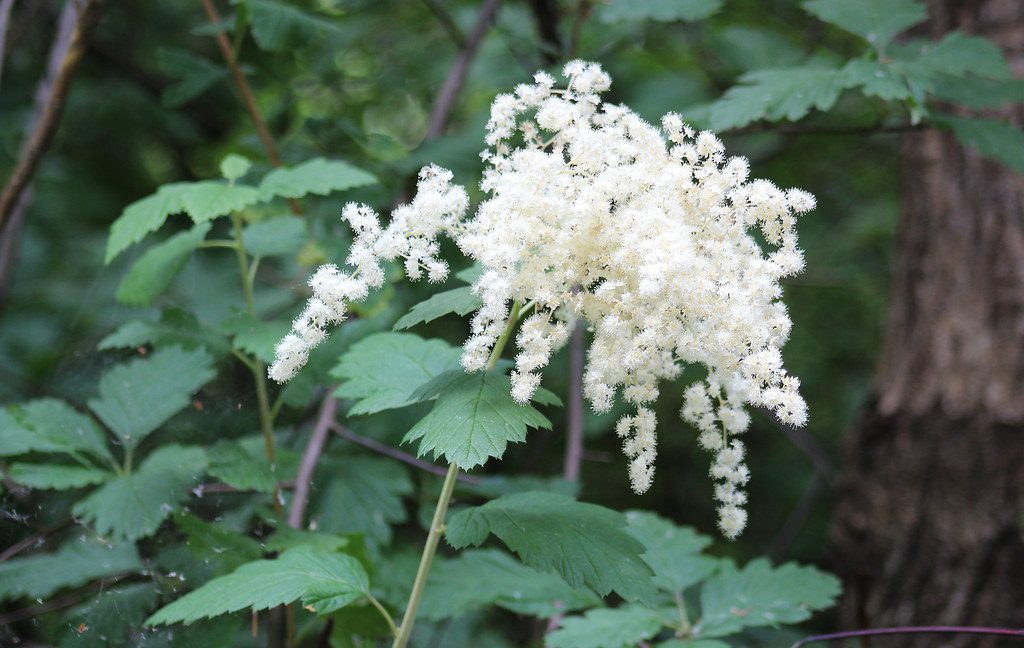
NATIVE PLANT STEWARDSHIP RESOURCES
Fire and drought, Native Plant Stewardship, Resources, What can I do?
Growing native plants is very rewarding and helps provide important habitat for local birds, animals and pollinators. Native Plants: • Are adapted to your climate • Are drought tolerant • Are resistant to diseases and pests • Low maintenance • Add beauty and interest • Promote bio-diversity • Invite and sustain local wildlife • Support…
Read More 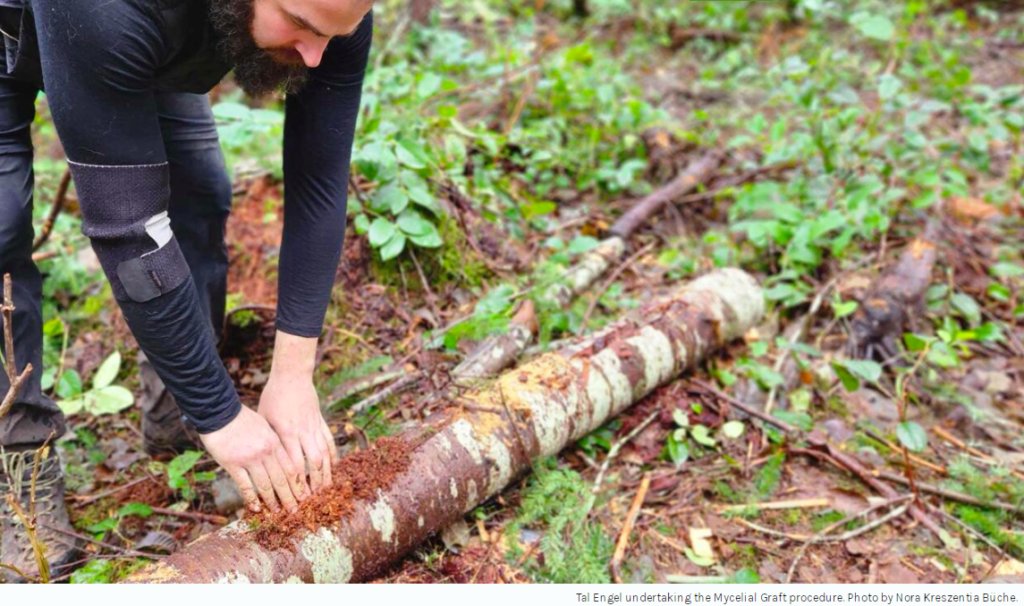
Maxwell Creek Watershed Field Files
CARL, CARL Field Notes, Fire and drought, Forests, Freshwater, Land Use, News, Resources
The Maxwell Creek Watershed Project (AKA the CARL Project) is a collaborative, multidisciplinary forest restoration project based on Salt Spring Island under the leadership of Transition Salt Spring with the support of multiple organizations including Raincoast Conservation Foundation. It aims to create a template for restoring ecological integrity and climate resilience to Coastal Douglas-fir (CDF)…
Read More 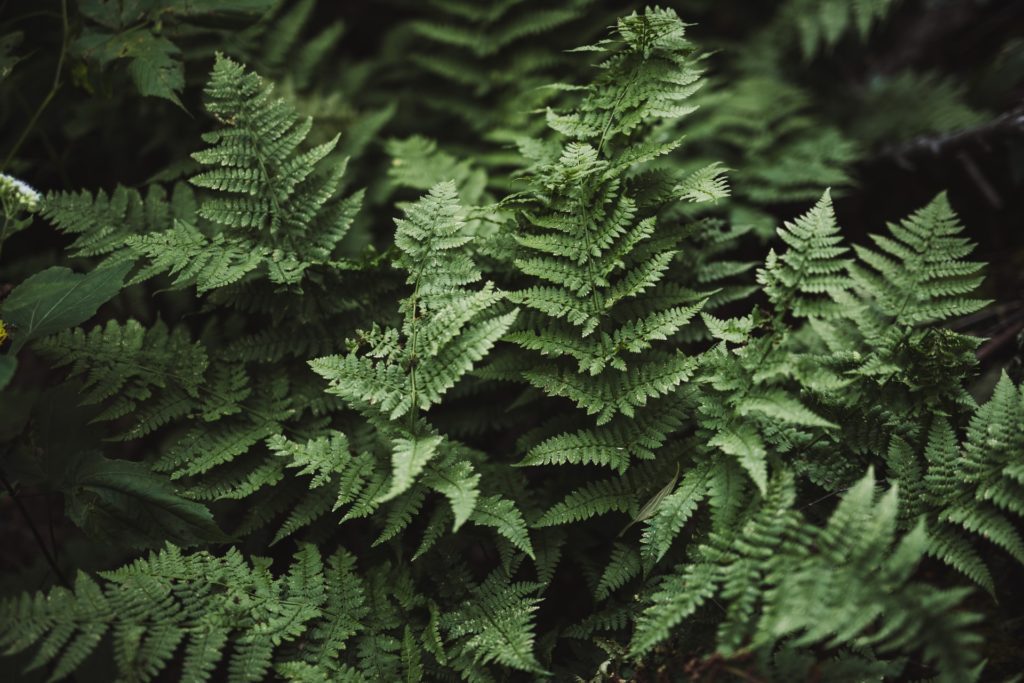
Steps Forward, Miles to Go: Salt Spring’s Climate Report Card 2023
Advocacy, Fire and drought, Food and Agriculture, Forests, Freshwater, News, Resources, Videos
How far has Salt Spring come since launching its ambitious Climate Action Plan 2.0 in 2021? In this short and powerful presentation, Kacia Tolsma walks us through the 2023 Climate Report Card, offering a reality check on progress made—and what still needs to be done. Despite positive strides in forest protection, electric transportation, local food,…
Read More