
CARL Fire and Drought

Brochure: How Do Healthy Forests Reduce the Risk of Wildfires
CARL, CARL Fire and Drought
Trees are working for us! How do forests support our drinking water? When we protect forest cover and native plants, we preserve soil health and keep water where it lands.
Read More 
Dr. Ruth Waldick on Extreme Heat, Fire, and Climate Resilience in the Coastal Douglas-Fir Region
CARL, CARL Climate Resources, CARL Fire and Drought, Uncategorized
We’re proud to share that Dr. Ruth Waldick, Lead Scientist with Transition Salt Spring and head of the Climate Adaptation Research Lab (CARL), is featured in a new University of Victoria podcast exploring how our communities can better respond to extreme heat and wildfire risk. Ruth appears in Episode 3: “Ruth” of A Hot Topic:…
Read More 
When Fire Meets Water: Healthy Watersheds as a Solution for the 21st Century
CARL, CARL Fire and Drought, CARL Healthy Forests
Rethinking Fire in Our Watersheds In the first webinar of the Fire Files series, “When Fire Meets Water: Healthy Watersheds as a Solution for the 21st Century,” experts explored how wildfires, water, and watershed health are deeply interconnected. Moderated by Dr. Ruth Waldick, lead scientist at our Climate Adaptation Research Lab (CARL), the panel brought…
Read More 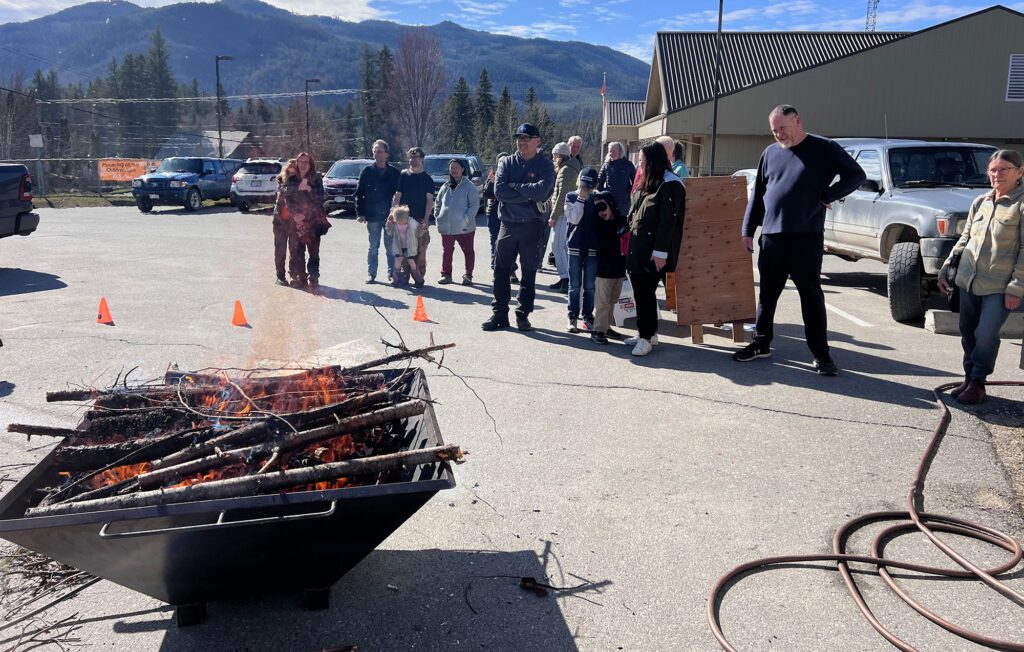
Reducing Wildfire Risks & Biochar: TSS Members Travel to Clearwater, BC, to Talk About Forest Resiliency
Biochar, CARL Fire and Drought, Events, Fire and drought, Forests, Past Events, Uncategorized, What can I do?
On April 5th and 6th, Grace Fields, the TSS Project Coordinator for the Climate Adaptation Research Lab (CARL), and Brian Smallshaw (Biochar Working Group Lead) travelled up to Clearwater, BC, to speak to community members on improving the resiliency of their forests to climate change and wildfire. On Friday evening, organized by Astrid Arumae of…
Read More 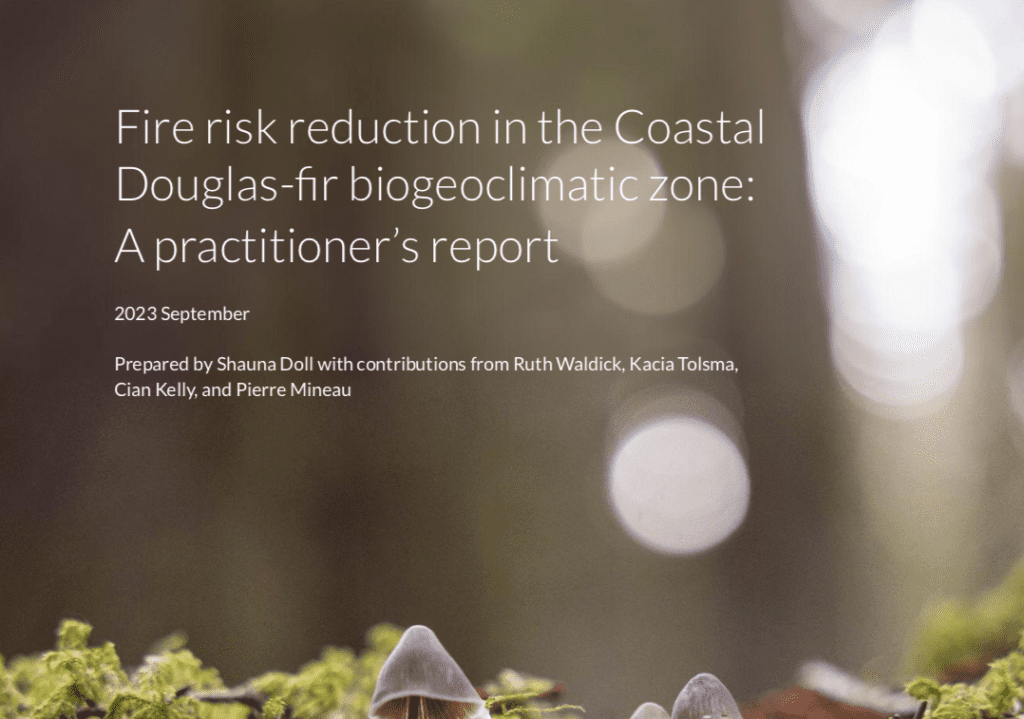
New Report Shows Us How to Reduce Wildfire Risks
CARL, CARL Fire and Drought, CARL Reports and Case Studies, Fire and drought, Forests, Resources
Fire risk reduction in the Coastal Douglas-fir biogeoclimatic zone Read the Full Report here. Introducing a new practitioner’s report focused on reducing fire risk by increasing ecological integrity. Historically, wildfire has been an intermittent but essential disturbance regime in forested ecosystems across the country. In more recent times, the arrival of settlers and the dominance…
Read More 
Why Healthy Forests Matter in Reducing Fire and Drought Risk
CARL Fire and Drought, Fire and drought, Forests, Freshwater, Past Events, Resources, Videos, Webinar Video
In this informative Q&A session, forest ecologist Erik Piikkila explains the critical role healthy forests play in protecting our communities from fire and drought. As climate extremes become more frequent, understanding the link between forest health, water security, and fire resilience is more important than ever—especially for landowners, stewards, and concerned citizens of the Southern…
Read More 
Fire Risk Reduction in the Coastal Douglas-fir Biogeoclimatic Zone
CARL, CARL Fire and Drought, CARL Reports and Case Studies, Events, Fire and drought, Forests, Freshwater, Land Use, Past Events, Resources, Videos
This comprehensive, full-day workshop brought together over 70 participants, including FireSmart Coordinators, forest managers, BC Wildfire Service, Fire Rescue, First Nations representatives, and local government to address fire risk in the Coastal Douglas-fir (CDF) Biogeoclimatic Zone. With 70% of the CDF zone under private ownership, participants explored how communities can adapt to increasing fire risk…
Read More