Climate Adaptation Research Lab (formerly The Mt Maxwell Watershed Project)
In 2021 Transition Salt Spring secured $100,000 in federal funding and other support to initiate this groundbreaking research around fire risk intervention and resilience in the Maxwell Creek Watershed. This watershed project was chosen because of its importance in providing water to 5,500 residents of Salt Spring Island, and the existing fire risk to farms, homes, and wildlife habitat.
The objective of the project is to develop a better understanding of the status and current condition of the forests and local hydrology around the lake, notably, the potential for fire and the spread of fire, and to develop a strategy to reduce these risks.
In just two years, the Maxwell Creek Watershed Project has evolved into the Climate Adaptation Research Lab (CARL), a collaboration between North Salt Spring Waterworks and Transition Salt Spring to build resilience in the natural systems our community depends on. As of September 2023, CARL has begun a five-year research program to identify methods for fuel management (fire risk reduction) and resilience to drought. As a community project, you can watch for opportunities for students, volunteers, and knowledge holders to participate.
With four full-time young professionals joining the CARL team this September, we will be able to expand our data collecting within the watershed. Our aim? To identify areas of high restoration potential:
- Notably, biologically important riparian and wetlands areas that could enhance the water holding capacity within the watershed to improve resilience to drought.
- Areas that can function in fire risk reduction and reduce the spread of fire.
- Areas subject to flooding and erosion which affect the quality and quantity of water recharged into the Maxwell lake.
- Areas to increase native plant and species diversity.
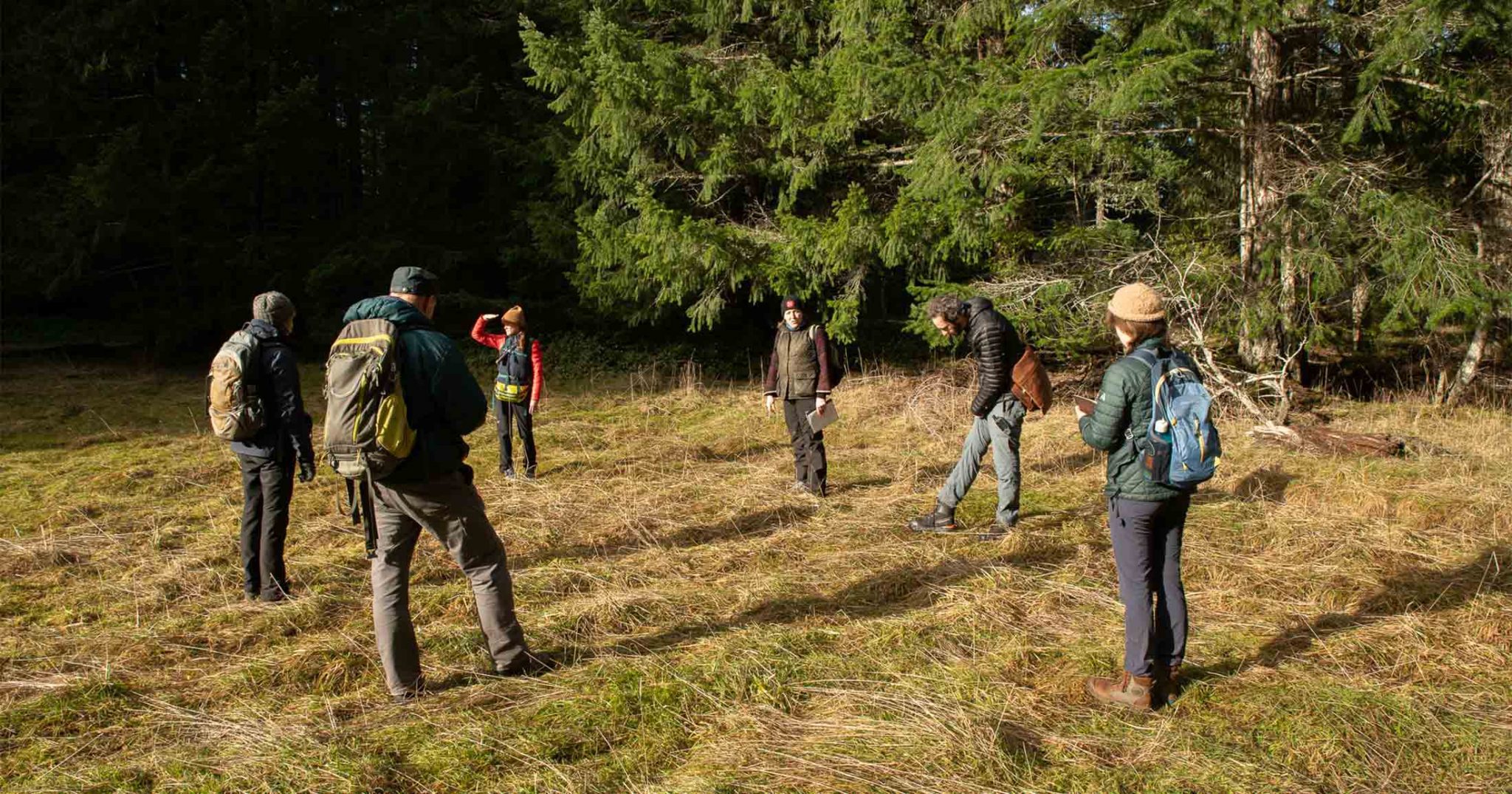
Treatments and restoration are emphasizing priority areas, and strategies designed to improve the health of the overall watershed (eg., ground-surface water storage), enhance native biodiversity, reduce vulnerability to catastrophic canopy fire, and promote fire resilience. Protecting public and private lands in Coastal Douglas Fir dominated watersheds was identified as a top priority in Transition’s Climate Action Plan.
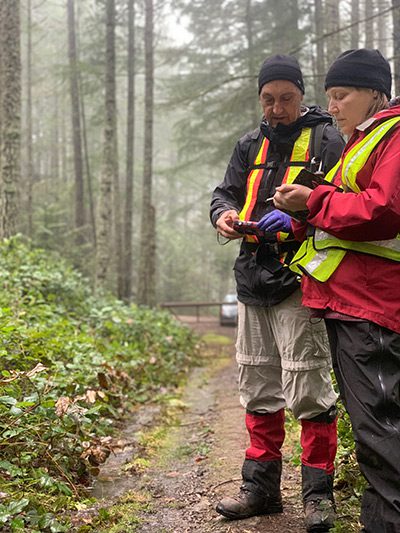
This project has expanded from a two-year study developed in partnership with North Salt Spring Water District, SSI Fire and Rescue, and the two key covenant holders in this watershed, the SSI Conservancy and the SSI Water Preservation Society, into a five-year stewardship project that considers fire risk and water.
Throughout the year you’ll see the project teams’ vehicles along Maxwell road as they continue their fieldwork.
Thank you to our local collaborative team members, the SSI Conservancy, the SSI Water Preservation Society, Local Trust, SSI Fire and Rescue, and North Salt Spring Water District.
Climate Adaptation Lab in the News

Raincoast Conservation Foundation: CARL Field Files
The Field Files series documents CARL project progress by engaging with different experts who have contributed to project work and publicly sharing their expertise and contributions. This will aid in future project replicability.

Coastal Douglas Fir Forest & Associated Ecosystem Portal
See our Educational Portal: Salt Spring Island’s Coastal Douglas fir (CDF) forests are part of a globally rare ecological zone found almost exclusively on BC’s south coast. These forests and associated ecosystems are critical to the health of island communities – watershed health and freshwater availability, resilience from drought, flood and fire, and mitigation of impacts of…

Brochure: How Do Healthy Forests Reduce the Risk of Wildfires
Trees are working for us! How do forests support our drinking water? When we protect forest cover and native plants, we preserve soil health and keep water where it lands.

Ecological Monitoring and Data Analysis Intern Wanted
Job Title: Ecological Monitoring and Data Analysis Intern Application Deadline: Nov 22nd Description/Opportunity Transition Salt Spring Society’s Climate Adaptation Research Lab (C.A.R.L.) is a long-term experimental watershed restoration program based in the Maxwell Creek watershed on Salt Spring Island, B.C. We are currently looking to add a new team member in the Winter 2025/26 season…

Celebrating 2,000+ Native Plants Planted!
🌿A heartfelt THANK YOU to everyone who joined us in the field for our spring and fall planting days this year – and to all who donated plants, offered support, or helped behind the scenes. Together, we planted over 2,000 native plants! Your efforts are helping to restore ecosystem functioning (erosion control), reduce wildfire risk,…

Dr. Ruth Waldick on Extreme Heat, Fire, and Climate Resilience in the Coastal Douglas-Fir Region
We’re proud to share that Dr. Ruth Waldick, Lead Scientist with Transition Salt Spring and head of the Climate Adaptation Research Lab (CARL), is featured in a new University of Victoria podcast exploring how our communities can better respond to extreme heat and wildfire risk. Ruth appears in Episode 3: “Ruth” of A Hot Topic:…
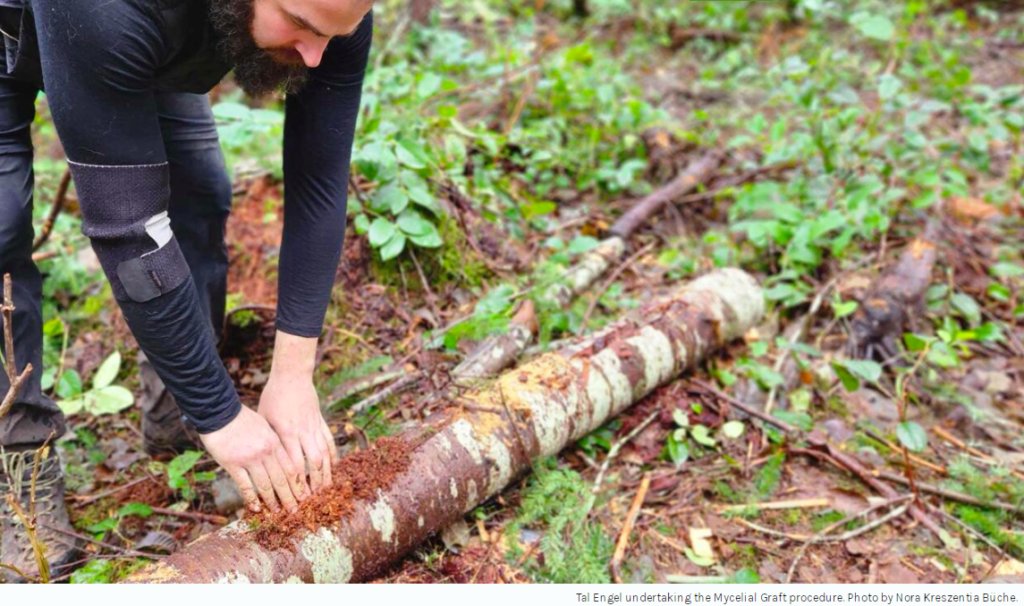
Maxwell Creek Watershed Field Files
The Maxwell Creek Watershed Project (AKA the CARL Project) is a collaborative, multidisciplinary forest restoration project based on Salt Spring Island under the leadership of Transition Salt Spring with the support of multiple organizations including Raincoast Conservation Foundation. It aims to create a template for restoring ecological integrity and climate resilience to Coastal Douglas-fir (CDF)…
Beyond Climate Change: A Case Study on Our Vulnerable Forests
How do we protect the forests we depend on as climate impacts intensify? In this in-depth presentation, Dr. Ruth Waldick shares insights from the Mt. Maxwell Adaptation Lab on Salt Spring Island—an innovative project exploring how local ecosystems respond to fire, drought, and forest degradation. Learn how place-based science, climate adaptation strategies, and community collaboration…
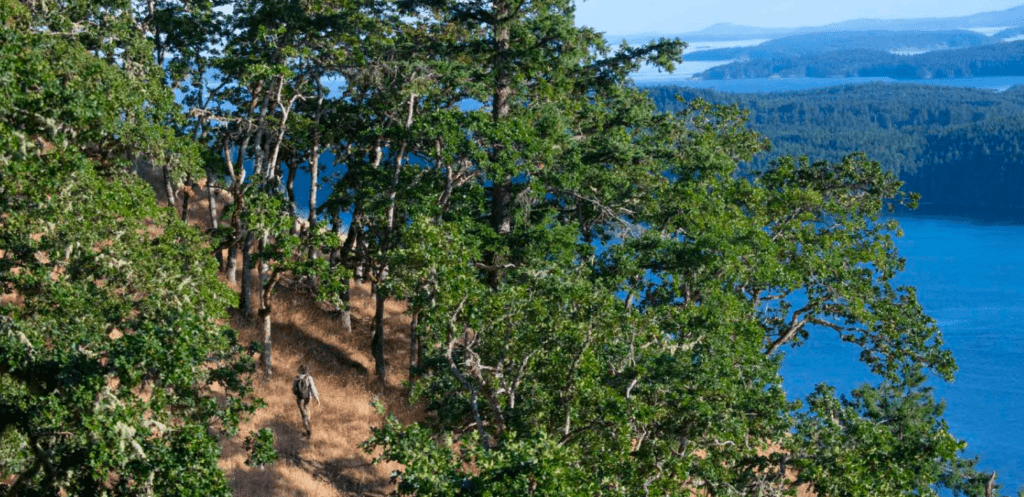
Maxwell Creek Watershed Project Field Files Part 2: Developing surveying methodologies
Exerpt from: https://www.raincoast.org/2022/08/maxwell-creek-watershed-project-field-files-part-2-developing-surveying-methodologies/ Andrew Simon shares about the methodologies used in the Maxwell Creek Watershed project. By Shauna Doll, Gulf Islands Forest Project Coordinator August 5, 2022 The project takes a watershed-wide scope to improve understanding of both existing and historical ecological conditions. The first question we aim to answer is: how has modification via forestry,…
Reducing Climate Risks in the Mt Maxwell Creek Watershed
This eye-opening presentation brings together ecological science and local expertise to explore the growing risks to Salt Spring Island’s Mt. Maxwell Creek Watershed due to climate change. Learn how shifting weather patterns, wildfire hazards, and watershed vulnerabilities intersect—and what we can do to safeguard this vital ecosystem. Presenters: Dr. Ruth Waldick and Robert SeatonDuration: 29…
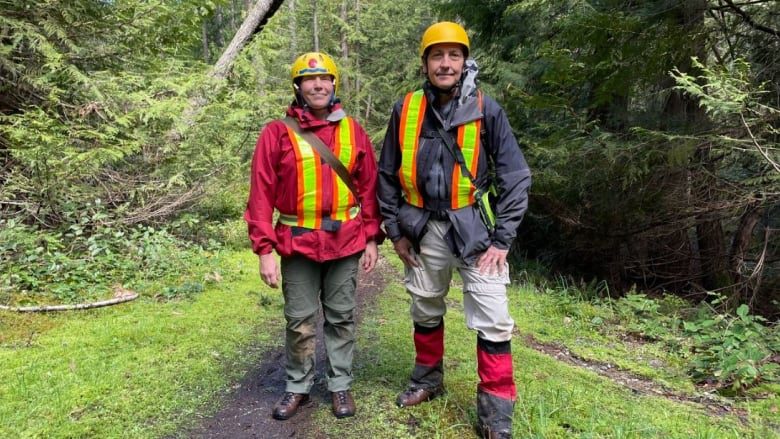
CBC Features Ruth Waldick and the Mt. Maxwell Project Team
Maxwell Lake, along with the watershed, provides water for about half of Salt Spring Island and the team is taking a look at how to protect this crucial freshwater source. We are so proud of this team and the work they are doing for our community! If you’d like to learn more check out the…
Ruth Waldick Wins the Islands Trust 2022 Community Stewardship Awards!
Ruth Waldick Wins the Islands Trust 2022 Community Stewardship Awards! Congratulations to our very own Ruth Waldick who won the Islands Trust 2022 Community Stewardship Awards! The Islands Trust Council recognized six individuals and one organization for work that supports the Islands Trust’s mandate to protect and preserve. The Community Stewardship Awards celebrate and acknowledge…
Project Partners
Salt Spring Island Fire Rescue, North Salt Spring Waterworks District (NSSWD), Salt Spring Island Water Preservation Society (SSIWPS) and the Salt Spring Island Conservancy (SSIC).
The project is being funded by a $100,000 commitment from Environment and Climate Change Canada’s EcoAction Fund, $25,000 from a private donor on the island and work-in-kind offered by NSSWD.